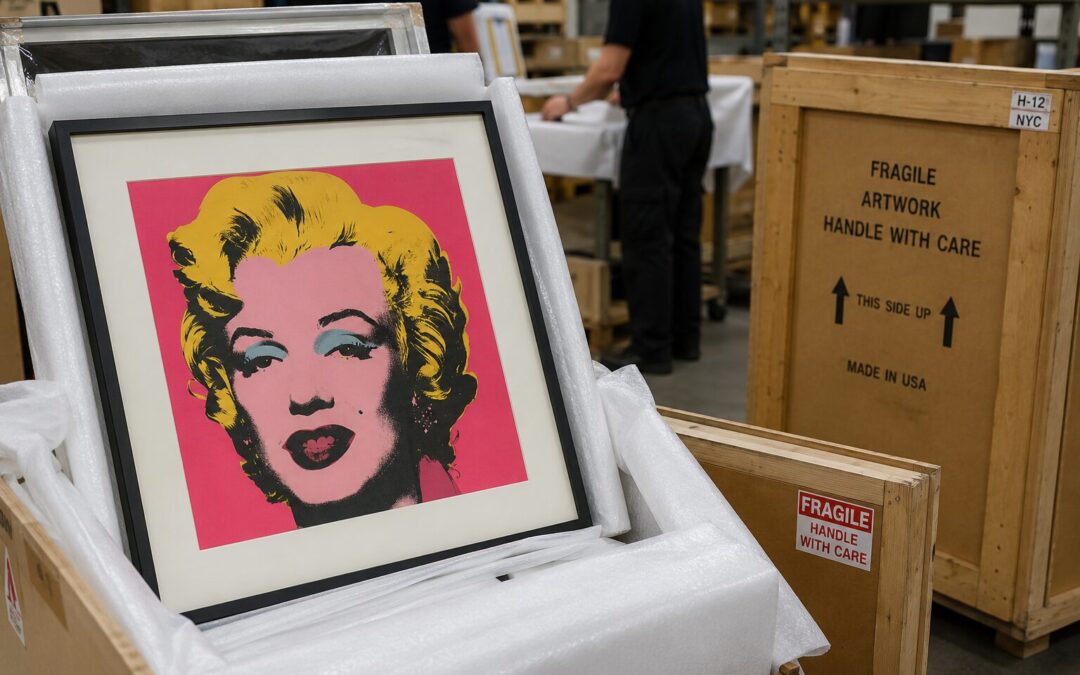
HGL Oceania managed the international shipment of original Andy Warhol works — coordinating white-glove collection, custom biosecurity crating, and precise documentation to ensure safe delivery to a destination gallery.
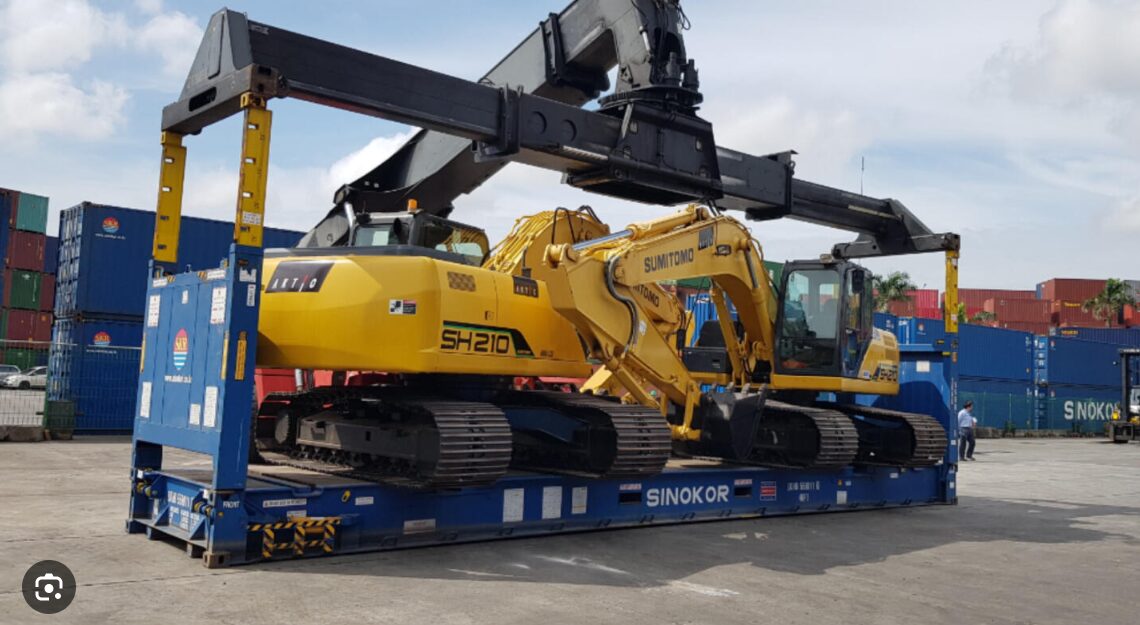
Exporting heavy machinery to Australia means meeting one of the world’s most stringent biosecurity regimes. Australian border standards require all machinery to be thoroughly cleaned — inside and out — before arrival, with even trace contamination enough to trigger rejection and costly return freight. For a machine of this complexity, that requirement demands more than good intentions. It demands a documented, verifiable process.
When the order came through, we knew the biosecurity compliance piece would determine whether this shipment succeeded or failed at the border. Standard export documentation wouldn’t be sufficient. A different approach was required.
Our team disassembled the machine to ensure every internal and external surface was fully accessible for cleaning. Working through the unit systematically, we cleaned each component and documented each step — creating a clear, chronological record of what was done, by whom, and to what standard.
That documentation trail is what matters at the Australian border. Inspectors need to see specific evidence of compliance, not a general declaration. By the time the machine was ready to ship, we had everything in place: a fully cleaned machine and a paper trail that left nothing to interpretation.
The Marrooka machine arrived in Australia on schedule and cleared biosecurity inspection seamlessly. No remediation was required, no delays were incurred, and the machine was ready for operation from the moment it landed. The preparation we put in before the shipment moved is what made that outcome possible.
HGL Oceania managed the international shipment of original Andy Warhol works — coordinating white-glove collection, custom biosecurity crating, and precise documentation to ensure safe delivery to a destination gallery.